

Chris Hammons | January 9, 2026 | Personal Injury
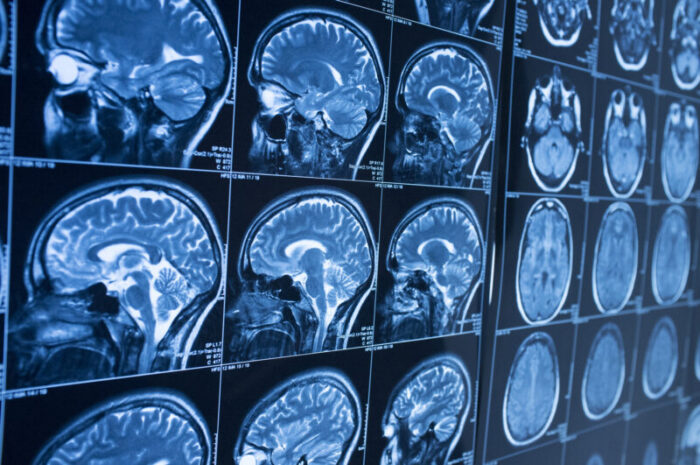
Traumatic brain injuries (TBIs) are often associated with dramatic accidents and immediate loss of consciousness. In reality, many TBIs are far more subtle. People can suffer a brain injury in a car crash, a slip and fall, or other accident without realizing the severity of what happened. Symptoms may appear gradually, worsen over time, or be mistaken for stress or exhaustion, which is why TBIs frequently go undiagnosed in the early stages.
Understanding the subtle signs of traumatic brain injury is critical. Early recognition can improve medical outcomes and help injured individuals protect their long-term health and legal rights.
What Is a Traumatic Brain Injury?
A traumatic brain injury occurs when a sudden blow, jolt, or impact disrupts normal brain function. TBIs range from mild injuries, such as concussions, to severe injuries that cause long-term or permanent impairment. Even a “mild” TBI can have serious consequences if left untreated.
Many people assume a head injury only counts as a TBI if there is visible trauma or loss of consciousness. That is not always the case. Brain injuries can occur even when the head does not directly strike an object, such as during whiplash-type movements in motor vehicle accidents.
Early Cognitive Changes You Should Not Ignore
Some of the earliest signs of a traumatic brain injury affect thinking and mental processing. These symptoms can be subtle and easy to dismiss at first.
Common cognitive changes include difficulty concentrating, memory lapses, confusion, or feeling mentally “foggy.” A person may struggle to follow conversations, forget appointments, or take longer to complete routine tasks. These issues may come and go, making them harder to recognize as signs of a brain injury.
Emotional and Behavioral Shifts After an Accident
TBIs can also affect mood and behavior. Loved ones are often the first to notice these changes, even when the injured person does not.
Emotional symptoms may include irritability, anxiety, depression, or sudden mood swings. Some people experience increased sensitivity to noise or light, while others feel unusually withdrawn or apathetic. Because these changes can resemble stress or emotional trauma, they are frequently overlooked or misattributed.
Physical Symptoms That May Develop Gradually
Physical signs of a traumatic brain injury are not always immediate. Headaches, dizziness, and nausea may appear days or even weeks after an accident.
Other physical symptoms can include balance problems, fatigue, blurred vision, ringing in the ears, or sleep disturbances. Persistent exhaustion or sleeping much more (or less) than usual can be a warning sign that the brain is not functioning properly.
Why Subtle TBIs Are Often Missed
There are several reasons why mild or moderate TBIs go undiagnosed. Symptoms may develop slowly, and initial medical evaluations may focus on more visible injuries. Additionally, many people downplay their symptoms, assuming they will resolve on their own.
Unfortunately, untreated TBIs can lead to long-term complications, including chronic headaches, cognitive impairment, emotional difficulties, and reduced quality of life. Prompt medical evaluation is essential after any accident involving a blow or jolt to the head or body.
When a Traumatic Brain Injury May Involve Legal Concerns
Traumatic brain injuries are often caused by preventable accidents. When someone else’s negligence contributes to an injury, the financial impact can be significant. Medical care, rehabilitation, time away from work, and long-term support needs can place an enormous burden on injured individuals and their families.
Documenting symptoms early and following medical advice can be important not only for health reasons but also when pursuing a personal injury claim. Brain injuries are complex, and their effects are not always visible, which makes careful documentation especially important.
Take Subtle Symptoms Seriously
If you or a loved one experiences ongoing cognitive, emotional, or physical changes after an accident, it is important to seek medical attention. Even symptoms that seem minor can signal a serious underlying injury.
Traumatic brain injuries do not always announce themselves loudly. Paying attention to subtle signs can make a meaningful difference in recovery and long-term well-being.
Contact the Oklahoma City Personal Injury Lawyers at Laird Hammons Laird Personal Injury Lawyers for a Free Case Review Today
If you or a loved one is suffering from a TBI after an accident, contact Laird Hammons Laird Personal Injury Lawyers in Oklahoma City, OK, for a free consultation. With 95 years of combined experience and over $100 million recovered for accident victims, our attorneys are capable of guiding injured individuals through their legal options after serious accidents.
For more information, please contact an experienced personal injury lawyer at Laird Hammons Laird Personal Injury Lawyers to schedule a free initial consultation today. Our law office is located in Oklahoma City.
We proudly serve Oklahoma County, OK and its surrounding areas:
Laird Hammons Laird Personal Injury Lawyers – OKC
1332 SW 89th St,
Oklahoma City, OK 73159
(405) 703-4567