Priority 1
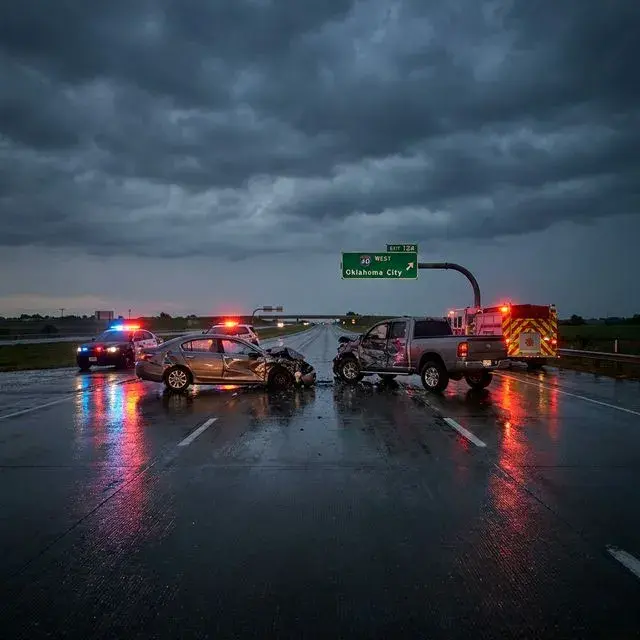
Crash-sequence evidence for multi-car impact allocation

Moore Injury Guide
Build objective injury progression records in the first 30 days. Learn which records to preserve and what steps may need immediate attention in Cleveland County.
Immediate Steps
The first moves that protect evidence, deadlines, and case value.
Cleveland
County
Protected
Evidence Windows
Reviewed
Local Deadlines
Available
Free Consultation
Immediate Priorities
These early steps can help preserve evidence, document medical care, and avoid missed deadlines.
Moore rear-end crash documentation checklist searches usually happen during the most volatile stage of a claim. The objective is to protect evidence quality and avoid preventable valuation loss.
In Moore, recurring risk patterns include high-impact collisions on north-south commuter routes and chain-reaction rear-end claims in stop-and-go traffic. The first steps should focus on records that may disappear, legal deadlines, and the client's immediate medical needs.
Assuming rear-end liability alone proves the nature and amount of every loss.
Evidence to Preserve
These recurring evidence points often decide whether insurers can underprice severe claims.
Crash-sequence evidence for multi-car impact allocation
Early orthopedic and neurologic treatment records
An insurer may try to shift blame to the injured person. Reconstruction evidence, witness statements, photographs, and available video can help establish what happened.
If the at-fault driver has no coverage or too little coverage, we evaluate the available benefits and requirements under your own UM/UIM policy.
Local Signals
Use local court, corridor, and market signals to pressure-test next-step decisions.
Local conditions rarely answer a case by themselves. The road or property involved, available witnesses, medical records, and the appropriate court can all affect what must be investigated. Acting early helps prevent avoidable delay or loss of proof.
FAQs
Quick answers for claimants and families making urgent decisions.
A claim arising in Moore may involve local roads, witnesses, medical providers, and courts in Cleveland County. Those facts can affect the available evidence and the time a case takes.
Assuming rear-end liability alone proves the nature and amount of every loss.
As soon as practical. Early review can help preserve evidence, identify deadlines, and prevent avoidable mistakes with insurers.
Bring incident records, treatment records, insurer correspondence, and any notes about what happened. Organized records help the lawyer identify deadlines and next steps.
Related Pages
Read more about this practice area and the communities we serve.
Local information about the claim, evidence, and legal process.
Get Moore Car Accidents guidance →Oklahoma information about car accidents claims.
Learn about Car Accidents Overview →Information about legal services in this city and nearby communities.
Get Moore Location Hub guidance →Practical guidance for common questions after a serious injury.
Get Moore Injury Guides guidance →Preserve lane-sequence and commercial-driver records before defenses shift fault.
Get Moore Commuter Corridor Truck Claim Steps guidance →Representative car accidents outcome.
Learn about $1,200,000 Pedestrian Backover Injury Claim →Crash corridors on I-35, I-40, and I-44 create predictable injury patterns. Learn what evidence to secure immediately after a major highway wreck.
Read Most Dangerous Highways in Oklahoma City and What Injured Drivers Should Do →A practical guide to common insurer disputes and steps that can protect an Oklahoma injury claim.
Read How Insurance Companies Undervalue Injury Claims in Oklahoma →A plain-language guide to settlement timing, recoverable damages, and the evidence used to evaluate an Oklahoma injury claim.
Open Oklahoma Personal Injury Settlement Guide →Step-by-step actions to protect health, preserve evidence, and avoid avoidable claim-value mistakes after an Oklahoma motor vehicle accident.
Open What To Do After an Accident in Oklahoma →Request a free consultation. We will map immediate legal priorities, evidence risks, and the strongest path forward.